How Cheap Solar Systems Become Expensive Mistakes
As someone who’s been around solar installations for years, I’ve come to realize one painful truth: cheap solar systems often end up being the most expensive ones in the long run.
It’s a lesson many homeowners — and even some new installers — learn the hard way.
In this post, I’ll share what I’ve seen firsthand about why cheap solar systems fail, what corners are usually cut, and how to make smart, long-term investments in solar energy.
The Illusion of Saving Money Upfront
Let’s face it — we all love a good deal.
When a client sees two solar quotes, one for ₦500,000 and another for ₦900,000, most instinctively go for the cheaper option. On paper, both systems “look the same” — same kVA inverter, same battery capacity, same number of panels.
But in reality, they’re not the same system at all.
What I’ve seen countless times is that the cheaper one often hides compromises: inferior batteries, undersized charge controllers, low-grade panels, or poor installation practices. These hidden weaknesses are what turn “cheap” into “expensive” over time.
Cut Corners That Cost More Later
Here are the top cost-cutting decisions that often backfire:
1. Low-Quality Batteries
Many budget installations use low-grade lead-acid batteries that barely last 6 months to a year.
Clients end up replacing them long before they expected — sometimes twice within the lifespan of a single lithium battery.
2. Underrated or Imitation Inverters
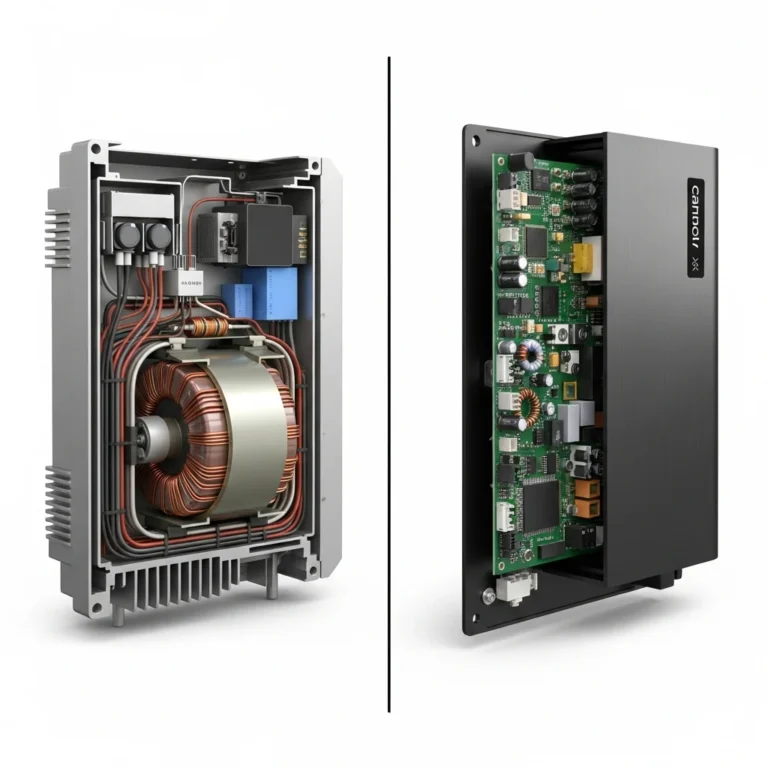
I’ve seen inverters labeled “3.5kVA” that can barely deliver half that capacity in real-world conditions. They heat up, trip frequently, and fail under modest loads.
A failed inverter can wipe out the “savings” of a cheap deal overnight.
3. No Proper System Design
Some installers just “match” components without performing proper load calculations or factoring in daily energy usage.
This leads to systems that constantly shut down or fail to charge the batteries fully — the kind of frustration that makes homeowners lose faith in solar altogether.
4. Skipping Safety and Protections
Cheap systems often lack surge protectors, fuses, isolators, or grounding. These may seem like small details until there’s a lightning strike or a fire risk. Then it becomes a very big deal.
Why Quality Solar Systems Pay Off
A properly designed solar energy system isn’t just about keeping your lights on — it’s about reliability, safety, and peace of mind.
When you invest in quality components and professional installation:
- Your batteries last longer
- Your inverter runs cooler and more efficiently
- You spend less on maintenance and replacements
- Your overall ROI (return on investment) increases dramatically
It’s like buying a car — a cheap one may get you moving, but the cost of constant repairs soon makes you wish you’d chosen better.
Real-World Example: A Costly “Bargain”
A homeowner once called me to “fix” a 5kVA solar system that stopped working after just 8 months.
When I arrived, I discovered a mix of cloned panels, unbalanced wiring, and a fake inverter that couldn’t sustain half its rated load.
He had spent less than ₦1 million initially but ended up spending an additional ₦600,000 just to replace faulty parts.
If he had gone for a quality setup from the start, he would have spent roughly the same — but with years of peace of mind instead of headaches.
The Installer’s Dilemma
Installers also face pressure to “beat” the competition’s price.
Sometimes, to win a deal, they’re tempted to go with cheaper products or skip proper installation accessories.
But in the long run, these shortcuts hurt your reputation more than they help your pocket.
I always tell younger installers:
“Your work is your signature. Don’t let low pricing erase your credibility.”
So, What’s the Smart Approach?
Here’s my professional advice, both for clients and fellow installers:
- Prioritize quality over cost — not all solar brands are equal.
- Ask for transparent component lists before approving any quotation.
- Ensure proper load analysis and sizing before purchase.
- Work with trusted, experienced installers who understand system balancing.
- See solar as an investment, not a one-time expense.
My Honest Conclusion
Solar energy is one of the best investments anyone can make — but only when done right.
I’ve seen too many people discouraged because they started cheap and paid dearly later.
So, my advice is simple:
👉 Don’t buy cheap — buy smart.
Because in solar, cheap systems don’t save money; they delay the real cost.