Lithium vs. Lead-Acid Batteries: My Honest Comparison After Years in the Field
Over the years, I’ve installed, tested, and maintained countless solar energy systems — from small home setups to large hybrid installations. If there’s one question I’ve been asked more times than I can count, it’s this:
“Should I go for lithium or lead-acid batteries?”
It’s a fair question — and honestly, one I struggled with myself when I first started out in solar. Both battery types have powered thousands of systems around the world. But in my experience, they serve very different kinds of users and project needs.
So, let’s break it down together — based on real-world performance, cost, and long-term reliability, not just datasheets.
Understanding the Basics
Before diving deep, it’s important to understand what we’re comparing.
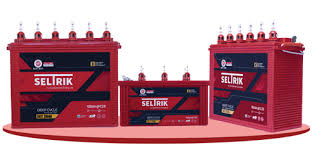
Lead-Acid Batteries
These are the old, faithful workhorses of the energy storage world. The same technology that starts your car also powers many off-grid solar systems.
They come in several forms — flooded, AGM, and gel — and have been the standard choice for decades because they’re affordable and well-understood.
Lithium Batteries
Lithium-based batteries (especially Lithium Iron Phosphate – LiFePO₄) are the new generation of solar storage. They’re lighter, smarter, and last much longer.
You’ll find them in everything from smartphones to electric vehicles — and increasingly in solar energy systems.

Energy Density: Power in a Smaller Package
One of the first differences I noticed when switching from lead-acid to lithium was how much power you get per unit size.
Lithium batteries have a much higher energy density — they can store more electricity in less space and weight. For example, a 5 kWh lithium battery might weigh less than half of what a similar-capacity lead-acid bank would.
In practical terms, this means lithium is ideal for space-limited installations — rooftops, mobile setups, or compact power walls. Lead-acid systems, meanwhile, often need a whole cabinet or room.
Verdict: Lithium wins for compactness and portability.
Depth of Discharge (DoD): How Much Energy You Can Actually Use
Here’s where many people underestimate lithium.
A lead-acid battery shouldn’t be discharged below 50% regularly — doing so drastically shortens its lifespan. So, even if you buy a 200Ah battery, you’re only safely using about 100Ah.
Lithium batteries, however, can go down to 80–90% discharge without harm. That means you get more usable energy from the same capacity.
In practice, this means a 100Ah lithium battery performs almost like a 200Ah lead-acid system.
Verdict: Lithium offers more usable capacity and better efficiency.
Lifespan and Maintenance
If there’s one reason professionals like me are switching to lithium, it’s longevity.
Lead-Acid
- Typical lifespan: 3–5 years
- Requires maintenance (checking water levels, cleaning terminals)
- Sensitive to temperature and over-discharge
Lithium
- Typical lifespan: 10–15 years or 3,000–6,000 cycles
- Completely maintenance-free
- Built-in Battery Management System (BMS) protects against overcharging and temperature extremes
In many of my off-grid projects, I’ve seen well-installed lithium batteries still performing near full capacity after years of daily cycling — something lead-acid batteries rarely achieve.
Verdict: Lithium lasts longer and needs almost no attention.
Charging Speed and Efficiency
Charging behavior is another area where the difference is night and day.
- Lead-acid batteries charge slowly — especially the final 20%. They also waste more power as heat.
- Lithium batteries charge much faster and can handle higher charge currents, which is a big plus if you rely on solar power with limited sunlight hours.
In off-grid setups I’ve monitored, lithium systems often reach full charge by early afternoon — while lead-acid setups are still topping up as the sun goes down.
Verdict: Lithium charges faster and wastes less energy.
Temperature Performance
Now, not everything goes lithium’s way.
In very cold environments, lithium batteries can struggle to charge properly unless they have built-in heating or are kept warm. Lead-acid batteries, on the other hand, are more forgiving in low temperatures.
In extremely hot environments, both types need good ventilation — but lithium’s BMS offers extra protection from overheat damage.
Verdict: Lead-acid performs slightly better in cold; lithium wins in hot climates with proper protection.
Upfront Cost vs. Lifetime Cost
This is where most homeowners hesitate.
Yes — lithium batteries are more expensive upfront. You might pay two or three times more for the same storage capacity. But over the lifetime of the system, lithium often turns out cheaper.
Here’s why:
- One lithium battery can last as long as 3 or 4 lead-acid replacements.
- You save on maintenance, replacement, and downtime.
- You get more usable energy per cycle.
When you calculate cost per kWh over time, lithium almost always comes out ahead — especially for full-time solar users.
Verdict: Lead-acid is cheaper upfront; lithium is cheaper long-term.
Safety and Technology
Early on, there were safety concerns about lithium batteries catching fire — but modern LiFePO₄ chemistry is extremely stable. Most quality lithium batteries now include smart BMS protection that automatically balances cells, prevents overcharging, and cuts off when needed.
Lead-acid, while generally safe, can release hydrogen gas during charging and needs proper ventilation.
In my professional installations, I’ve found both technologies safe when used correctly, but lithium offers better smart protection and monitoring.
Verdict: Both safe, but lithium is smarter and safer under modern standards.
Where Each Battery Type Works Best
| Use Case | Recommended Battery | Reason |
|---|---|---|
| Small or budget off-grid systems | Lead-Acid | Affordable, simple setup |
| Residential hybrid systems | Lithium | Long life, efficiency, smart control |
| Remote or backup-only systems | Lead-Acid | Low cost, occasional use |
| Commercial / heavy daily cycling | Lithium | High durability, faster recharge |
| Mobile setups (RVs, boats, cabins) | Lithium | Lightweight and compact |
My Honest Professional Take
After years in the field — testing, installing, and replacing both — I can confidently say: lithium is the future of solar storage.
Lead-acid still has its place, especially for low-cost or backup systems where budget matters most. But for serious solar users who want reliable, maintenance-free energy for 10+ years, lithium is worth every naira.
I’ve seen customers regret choosing lead-acid for daily use within two years — but I’ve rarely seen anyone regret switching to lithium.
Final Thoughts
The “lithium vs. lead-acid battery” debate isn’t about which one is better overall — it’s about what’s right for your application.
If you’re building a short-term, low-budget backup system, lead-acid still does the job. But if you’re investing in long-term solar independence, lithium batteries will reward you with reliability, performance, and peace of mind.
💬 Your Turn
Have you used both battery types in your solar projects?
What’s been your experience in terms of performance and lifespan?
I’d love to hear your thoughts in the comments — your feedback might help someone make the right choice for their next solar installation.