How Social Media Is Making Solar Installation Look Easier Than It Really Is
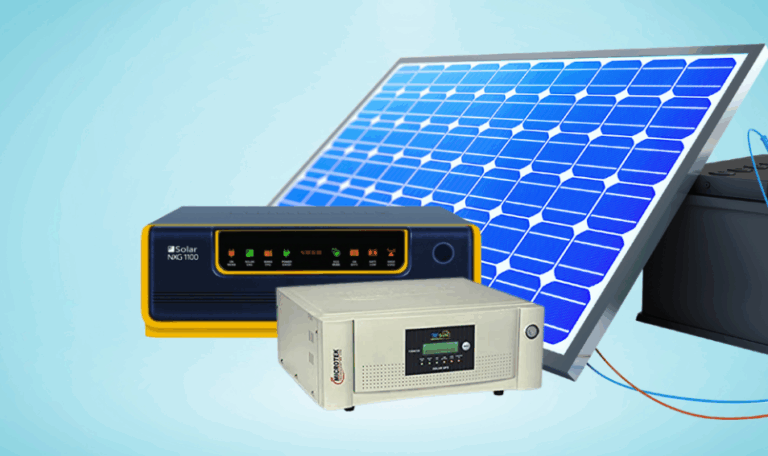
If there’s one thing I’ve learned over the years working in the solar industry, it’s that things are hardly as simple as they look online. Every day, I scroll through social media and see short clips of “perfect” solar installations — sleek panels, shiny inverters, neat battery banks — all set up in under 30 seconds. And I can’t help but smile a little, because those of us who have been in the field know: real-life solar work isn’t that easy.
This isn’t a rant. It’s just my honest reflection on how social media has changed the perception of solar installation — for both customers and upcoming installers.

The Illusion of Effortless Solar Installations
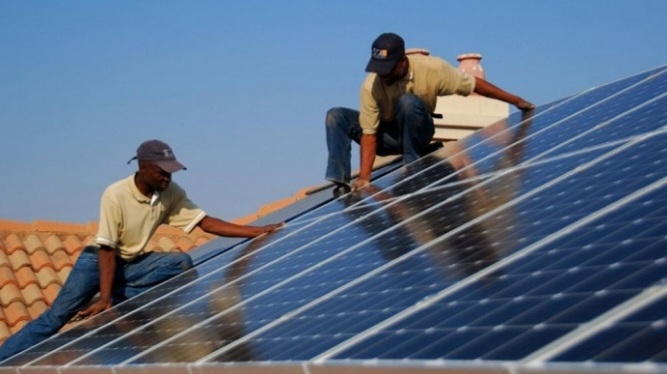
Platforms like Instagram, TikTok, and YouTube are filled with solar content creators who make installations look like plug-and-play projects. A few shots of panels being lifted, a time-lapse of cables being connected, and then — boom! — a beautiful, fully functional system.
But behind the camera, there’s a different story.
Real installations involve:
- Site assessments that take hours, sometimes days.
- Load analysis that determines system sizing.
- Cable sizing, grounding, safety checks, and compliance standards that can’t be skipped.
- And let’s not forget — weather, roof type, and client expectations can all complicate what looked like a “simple” job online.
Social media doesn’t show that part. It shows the highlight reel — not the process.
The Problem With “Quick-Fix” Education
Don’t get me wrong — I appreciate creators who genuinely share knowledge. Social media has done a lot to spread solar awareness and attract new talent to the industry.
But the downside is that too many newcomers are learning from short clips instead of proper training.
I’ve met young installers who got their “solar education” from watching YouTube and TikTok tutorials. They mean well — they’re passionate and eager — but often underestimate the complexity of designing and wiring a proper system.
Installing solar isn’t just about connecting components; it’s about balancing power, efficiency, and safety. A single mistake — wrong wire gauge, poor earthing, or misconfigured inverter settings — can lead to failure or even danger.
Social Media vs. Real-World Experience
In the real world, solar installation demands:
- Patience to troubleshoot unexpected faults.
- Discipline to follow technical standards.
- Experience to adapt designs to unique homes or sites.
- And above all, responsibility, because the system you build powers someone’s life.
That’s what you don’t see in those 60-second videos.
I’ve been on-site for projects that took days to complete, even with a skilled team. We faced challenges — wrong roof tilt, undersized breakers, inverter communication errors — all of which never make it into a “satisfying solar montage.”
The Impact on Customers
Social media doesn’t only mislead new installers — it also shapes how customers think.
Many clients now expect installations to be done in a day, with perfect aesthetics and zero complications. When reality kicks in — delays, technical adjustments, cost variations — they start questioning the installer’s skill or pricing.
It’s not their fault; they’ve been influenced by the highlight culture.
That’s why I now take time to educate clients upfront — walking them through every stage of the process. Transparency builds trust, and it also helps them understand that good solar work takes time.
My Advice to New Installers
If you’re new to the industry, please — don’t let social media rush you.
Use it as inspiration, not instruction.
Watch the videos, but also:
- Attend certified training programs.
- Read datasheets and manufacturer guidelines.
- Get hands-on experience under a mentor before handling full projects alone.
Solar is a career of precision and responsibility, not a race for likes or views.
Final Thoughts
I’m not against solar influencers — I follow quite a few myself. I love seeing how the industry is growing and how people are showing creativity in their installs.
But I just wish more people would show the real side of solar — the testing, the troubleshooting, the sweat, and the learning curves.
Because at the end of the day, the best installers are not the fastest or the flashiest — they’re the most thorough and responsible.
If you’re an installer or solar enthusiast, I’d love to hear your thoughts:
Has social media helped or hurt the solar industry in your opinion?
Share your experience in the comments section — or join the conversation inside the Globisun Solar App.