Keep Your Solar Investment Shining: The Complete Guide to Solar Maintenance and Care
Installing a solar system is more than just putting panels on your roof. It’s a long-term investment in your home, business, and the planet. But here’s the truth many people overlook: solar panels don’t upkeep themselves. A system left unattended can slowly lose efficiency, costing you money and reducing the lifespan of your equipment.
You need to know how to care for your solar system properly. This care is essential if you want it to function at its peak for decades. This guide will take you through everything. It covers cleaning and inspections. It also includes battery care and inverter checks. All this information ensures you can get the most out of your solar investment.
1. Know What You’ve Got
Before diving into maintenance, it’s important to understand the main parts of your solar system:
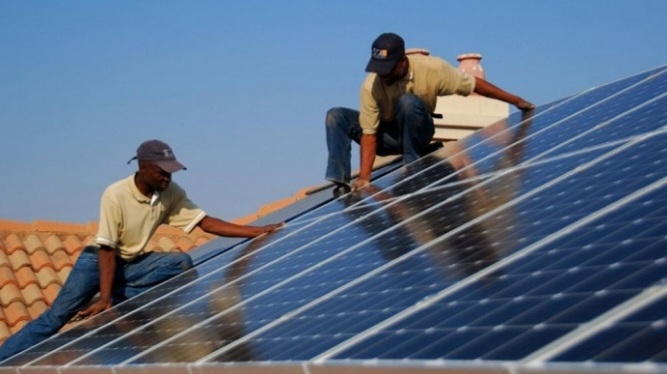
- Solar Panels: These are the stars of the show, turning sunlight into electricity. Dirt, dust, or shade can reduce their efficiency significantly.
- Inverter: This converts the energy your panels generate from DC to AC, which powers your home. A faulty inverter stops your system in its tracks.
- Batteries (for off-grid or hybrid systems): Store energy for nighttime or cloudy days. Batteries need careful attention to avoid premature failure.
- Mounting Structures: Keep panels secure and properly angled to the sun. Loose mounts can be dangerous and reduce efficiency.
- Cables and Wiring: The veins of your system, carrying electricity safely from panel to home.
Understanding your system helps you know where to focus your attention and why each component matters.
2. Cleaning Your Panels: The Most Important Step
Dirty panels are one of the biggest causes of reduced solar performance. In dusty areas, efficiency can drop by up to 25% if panels aren’t cleaned regularly.
How to clean your panels properly:
- Frequency: Every 2–4 months is usually enough, but more often if you’re in a dusty or polluted area.
- Tools: Soft brush, squeegee, or low-pressure hose. Avoid anything abrasive that can scratch the panels.
- Water: Clean water works best. Deionized water is ideal to avoid streaks and mineral deposits.
- Timing: Early morning or late afternoon when panels are cooler. Cleaning hot panels can cause cracks from sudden temperature changes.
Pro Tip: Use a long-handled soft brush or hire a professional if your panels are on a steep roof. Safety first!
3. Inspect Regularly: Spot Problems Before They Grow
A visual inspection can save you headaches and money. You don’t need to be an engineer—just a careful observer.
Things to look for:
- Cracks or chips on panels. Even small damage can lower efficiency.
- Loose mounts or brackets—strong winds can loosen them over time.
- Shading issues—new trees, antennas, or structures can reduce output.
Take photos during each inspection. It helps track changes and gives professionals a clear picture if issues arise.
4. Monitor Your System: Don’t Let Problems Go Unnoticed
Modern solar systems usually come with monitoring apps or displays. Keep an eye on your energy production daily or weekly.
What to watch for:
- Sudden drops in energy output.
- Inverter warning lights or error codes.
- Performance trends over time—compare to past months.
Why it matters: Early detection of a drop in output could mean dirty panels, shading, or technical faults. Fixing these issues early keeps your system efficient and saves you money.
5. Take Care of the Inverter
The inverter is the “brain” of your system. Without it, your solar panels are just expensive glass and metal.
Inverter maintenance tips:
- Keep it clean and dust-free.
- Ensure proper ventilation—overheating shortens lifespan.
- Listen for unusual sounds like buzzing or clicking.
- Check electrical connections and tighten if necessary.
Most inverters last 10–15 years, so plan for replacement in the future.
6. Battery Care: Don’t Neglect Storage Systems
If your system has batteries, these need the most attention. Poorly maintained batteries fail fast.
Battery maintenance tips:
- Lead-Acid Batteries: Check electrolyte levels regularly, clean terminals, and avoid fully discharging.
- Lithium-Ion Batteries: Keep them at a proper temperature, don’t overcharge, and follow manufacturer guidelines.
- Storage: Batteries should be dry, ventilated, and temperature-controlled.
Pro Tip: A Battery Management System (BMS) helps prevent overcharging and deep discharges, extending battery life.
7. Electrical Wiring: The Lifeline of Your System
Cables not get much attention, but degraded wiring can be dangerous and reduce efficiency.
- Inspect cables for fraying, corrosion, or loose connections.
- Ensure junction boxes are sealed and dry.
- Consider a professional check every 1–2 years.
8. Seasonal Considerations
- Dusty or dry seasons: Increase cleaning frequency.
- Rainy season: Check for debris or leaves that may block panels.
- Snow: Remove carefully to avoid scratches.
- Windy conditions: Ensure panels and mounts remain secure.
9. Hiring a Professional
Even if you’re hands-on, professional inspections are valuable:
- Residential systems: Every 1–2 years.
- Commercial or larger systems: Every 6–12 months.
Professionals can test electrical components, check battery health, and ensure everything meets safety standards.
10. Long-Term Care Tips
- Keep trees trimmed to prevent shading.
- Avoid harsh chemicals or high-pressure washers on panels.
- Document all maintenance for warranties.
- Educate family or staff on proper system use.
- Update monitoring apps or software as needed.
11. Common Problems and Solutions
| Problem | Cause | Solution |
|---|---|---|
| Low energy output | Dirty panels, shading, inverter fault | Clean panels, remove shading, check inverter |
| Inverter error | Grid issue or internal fault | Inspect connections, call professional |
| Battery not charging | Age, temperature, BMS issue | Maintain proper temp, check health |
| Loose mounting | Wind, poor installation | Tighten mounts, inspect brackets |
Conclusion
A solar system is more than just panels on a roof—it’s a long-term energy investment. Proper care ensures efficiency, safety, and longevity. Clean your panels, inspect regularly, check performance, and pay attention to batteries and wiring. With consistent maintenance, your solar system can deliver decades of clean, reliable energy while saving you money.
Remember: a solar system that’s well-maintained isn’t just efficient—it’s worry-free.