How to Identify Fake Solar Panels (Complete Guide)
The solar market is growing fast—but so is the number of fake or substandard solar panels being sold to unsuspecting buyers. Many people lose money every year because they cannot differentiate an original panel from a fake one.
If you’re investing in solar energy, you must know how to identify fake solar panels before you buy. This guide will help you spot the signs and protect yourself from poor-quality products.

1. Check the Brand Name Carefully
Many fake solar panels use brand names with small spelling errors such as:
- Longvi instead of Longi
- Ja Solarrr instead of JA Solar
- Sunpwer instead of SunPower
Always check the exact spelling and logo style of the brand on the official website before you buy.
2. Check the Serial Number
Every original solar panel has a unique serial number printed:
- On the panel label
- Inside the PV bar (under the glass)
- On the packaging
If these serial numbers do not match, or the panel has no serial number, it is likely fake or refurbished.
3. Scan the Barcode
Original solar panels have a scannable barcode.
Use a barcode scanner app on your phone.
If the code:
- Does not scan
- Shows incomplete details
- Shows a different brand
…you may be dealing with a fake product.
4. Inspect the Junction Box
A fake panel usually has:
- Poor-quality glue
- Loose connectors
- No brand marking on the junction box
- Low-quality MC4 cables
Original junction boxes are tightly sealed and properly branded.
5. Check the Weight of the Panel
Fake panels are usually lighter because they use:
- Cheaper frames
- Thinner glass
- Lower-grade cells
Search online for the official weight of your panel model and compare.
If the panel is significantly lighter, be suspicious.
6. Look at the Solar Cells Carefully
Fake or low-quality solar cells may have:
- Uneven color
- Visible cracks
- Poor spacing
- Different size cells inside the same panel
Original panels have clean, uniform, professionally aligned cells.
7. Check the Panel Efficiency Rating
Many fake panels write unrealistic values like:
- 500W on a small-sized panel
- 22–25% efficiency on cheap unknown brands
If the wattage looks too good for the size, it’s likely fake.
8. Test the Panel Voltage
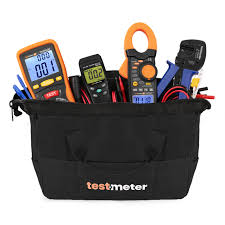
A simple multimeter can help you identify fake panels.
Original panels should produce:
- Voc: 35–48V (for 350W–550W panels)
- Isc: 9A–13A
If the panel’s voltage or current is far lower than stated, it is either fake or refurbished.
9. Check the Back Sheet Quality
Fake panels often use cheap back sheets that:
- Peel after a few months
- Discolor quickly
- Feel too thin
Original back sheets are durable, thick, and professionally laminated.
10. Look for Certifications
Original solar panels carry real certifications:
- IEC
- TUV
- CE
- UL
Fake panels may print certifications that look washed-out or are missing essential details.
11. Verify the Warranty
Original manufacturers provide:
- 10–12 years product warranty
- 25 years performance warranty
Fake panels give no warranty or only verbal promises.
Always demand a physical warranty document from the seller.
12. Buy Only From Trusted Distributors
Buying from:
- roadside shops
- unverified online sellers
- extremely cheap marketplaces
…puts you at risk of buying fake panels.
Always buy from:
- authorized distributors
- reputable solar dealers
- companies with clear addresses and return policies
Most Common Fake Solar Panels in the Market
Many counterfeit panels pretend to be:
- JA Solar
- Longi
- Canadian Solar
- Trina
- SunPower
Always verify serial numbers directly on the manufacturer’s website.
Final Thoughts
Fake solar panels may look attractive because of the price, but they will cost you more in the long run:
- low power output
- early damage
- zero warranty
- total system failure
To protect your investment, always inspect every panel closely and buy from reliable sources.
If you need help verifying panels, sizing systems, or checking your solar setup, you can calculate your entire system instantly on the Globisun App.