Why Your Inverter Battery Is Swelling — Dangerous Warning Signs
⚠️ If Your Inverter Battery Is Swelling, Read This Immediately
A swollen inverter battery is not normal.
It is one of the most dangerous warning signs your solar or inverter system can give you.
A bulging or expanding battery means something is very wrong inside — and if ignored, it can lead to:
- Electrical fire
- Battery explosion
- Acid leakage
- Total system failure
- Costly replacements
In this guide, you’ll learn why batteries swell, how to identify early warning signs, and what you MUST do immediately.
🔥 1. Overcharging — The #1 Cause of Battery Swelling
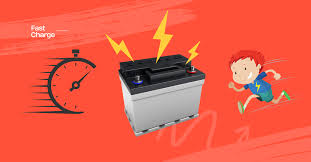
When your battery receives more voltage than it can handle, pressure builds inside, making the casing expand.
Common reasons your battery is overcharging:
- Faulty or low-quality charge controller
- Wrong settings on your MPPT/PWM charger
- Bad inverter charging system
- Using a charger not designed for that battery type
How to avoid it:
✔ Use MPPT charge controllers
✔ Set correct battery charging parameters
✔ Avoid very cheap, unregulated inverters
✔ Check voltage settings regularly
🔥 2. Heat Build-Up Inside the Battery Room
Batteries hate heat.
When they’re placed in a poorly ventilated area, internal temperatures go up, causing:
- Gas build-up
- Bulging sides
- Shortened battery lifespan
How to avoid it:
✔ Keep batteries in a cool, ventilated room
✔ Never place batteries near heat sources
✔ Raise batteries off the ground with racks
🔥 3. Using the Wrong Charger for Your Battery Type
AGM, GEL, LITHIUM, and Tubular batteries all charge differently.
If you use the wrong settings or wrong charger:
- The plates inside get damaged
- Heat increases
- The battery begins to swell
How to avoid it:
✔ Always match your battery with the correct charger
✔ Confirm that your inverter supports your battery chemistry
✔ Adjust charging current and voltage properly
🔥 4. Deep Discharging the Battery Too Often
If you consistently drain your battery below 50% (for GEL/AGM) or 20% (for Lithium), it becomes stressed and unstable.
Eventually… it swells.
How to avoid it:
✔ Don’t overload your inverter
✔ Don’t run heavy appliances on small solar systems
✔ Use a battery monitor to track State of Charge (SOC)
🔥 5. Fake or Low-Quality Batteries
Nigeria is flooded with fake and refurbished inverter batteries.
Many of these batteries:
- Cannot withstand heat
- Have weak internal plates
- Are made with recycled materials
They swell quickly — sometimes within months.
How to avoid it:
✔ Buy from trusted distributors
✔ Avoid unusually cheap batteries
✔ Look for proper branding, weight, and warranty
🔥 6. Charging With Bad Solar Panels or Faulty Wiring
Damaged solar panels or wrong wiring can cause unstable charging current.
This leads to:
- Uneven charging
- Overheating
- Swelling
How to avoid it:
✔ Test panels individually
✔ Use correct cable sizes
✔ Ensure proper series/parallel connection
🧨 Dangers of Using a Swollen Battery
A swollen battery is a ticking time bomb.
Here’s what can happen if you continue using it:
- 🔥 Fire outbreak due to internal short-circuit
- 💥 Explosion caused by gas pressure
- 🧪 Acid leakage which damages floors, equipment & skin
- ⚡ Damage to your inverter
- 💸 Complete system failure
If your battery is swollen, STOP using it immediately.
🛑 What You MUST Do Immediately
✔ 1. Disconnect the battery safely
Turn off inverter → Remove terminals → Move battery away from flammable items.
✔ 2. Do NOT attempt to repair it
Swollen batteries cannot be repaired.
✔ 3. Use protective gloves if moving the battery
It may leak acid without warning.
✔ 4. Replace the battery immediately
Continuing to use a swollen battery is extremely dangerous.
✔ 5. Check the cause before installing a new battery
Otherwise, the new one will swell again.
🔋 How to Prevent Future Battery Swelling
- Use quality MPPT charge controllers
- Set correct charging voltages for your battery type
- Avoid deep discharge
- Keep batteries cool and ventilated
- Do NOT mix battery types or ages
- Use lithium batteries if possible — they don’t swell the same way lead-acid does
🙋 Should You Switch to Lithium Batteries?
If swelling has been a constant issue, consider upgrading.
Benefits of Lithium:
- No swelling due to gas buildup
- 5–10 years lifespan
- Faster charging
- No maintenance
- Deep discharge friendly
Long-term, it’s cheaper and safer.
🟩 Final Thoughts
Battery swelling is a warning sign you should never ignore.
Whether you use your system at home or for business, a swollen battery means something is wrong:
- Overcharging
- Heat
- Wrong charging settings
- Fake batteries
- Faulty charge controller
The best response is immediate action.