How to Spot Fake Solar Components During Installation
As a solar installer, your reputation is built on one thing: delivering a system that works perfectly. But even the best installation skills can’t save a project if the components supplied are fake or substandard. The sad truth is that the Nigerian solar market is flooded with imitation panels, cloned batteries, and fake inverters that look original until you examine them closely.
Here’s a practical guide to help you identify fake solar components during installation before they damage your client’s system—and your name.
1. How to Spot Fake Solar Panels
a. Check the weight
Fake panels are usually lighter because they use cheaper materials. Real poly or mono panels have solid glass, aluminum frames, and quality cells that make them heavier.
b. Inspect the solar cells
Original cells have uniform color, clean busbars, and neat spacing. Fake ones often show:
• irregular blue patches
• misaligned cells
• dull or uneven surface
c. Examine the backsheet
Original backsheets usually carry certification markings (IEC, UL), brand name, and clean printing. Fake ones have blurry text or no certification at all.
d. Verify the junction box quality
Look out for:
• loose fittings
• light plastic
• no brand markings
These are signs of a counterfeit panel.
e. Scan for serial numbers
Every genuine panel has a unique serial number that matches the carton and manufacturer’s database. Fake ones often repeat serial numbers or have none.
2. How to Identify Fake Lithium Batteries
a. Weight test
Fake lithium batteries weigh far less because the cells inside are empty or low-grade.
b. Label inspection
Counterfeit batteries show spelling errors, pixelated prints, or inconsistent fonts.
c. BMS behavior
During installation:
• connect the battery
• check voltage consistency
• verify that the BMS responds normally
Fake batteries show unstable voltage or no BMS protection at all.
d. Terminal quality
Original terminals are heavy-duty brass or copper alloy. Fake ones use thin, hollow metals.
e. Verify QR code or barcode
Most reputable brands have scannable codes linking to the manufacturer website.
3. How to Spot Fake Solar Inverters
a. Branding and print quality
Fake inverters often show:
• faint logos
• off-color paint
• misspelled brand names
b. Port arrangement
Original brands maintain consistent layout. Fake ones may have:
• misaligned AC/solar terminals
• poorly labeled buttons
c. Noise and heat
Fake inverters make loud buzzing sounds and heat up quickly, even at low load.
d. Software interface
During installation, navigate through the menu. Fake units show:
• poor design interface
• missing settings
• slow screen response
e. Verify serial number and warranty seal
All original inverters come with traceable codes. Clones have duplicate or missing seals.
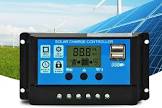
4. How to Detect Fake Charge Controllers
a. Weight and material finish
Fake charge controllers feel light and use brittle plastic.
b. Terminal screws
Original screws are firm and metallic. Fake ones strip easily or spin without tightening.
c. Menu functionality
Fake controllers:
• do not show correct charging stage
• display unstable voltage readings
• lack battery type settings
d. MOSFET and heat sink
Open the back: if the heat sink is too small, or components look “cheap,” it’s likely fake.
5. General Red Flags for All Fake Solar Components
• No user manual or incomplete packaging
• Prices that are “too sweet to be true”
• Warranty cards with no contact information
• Poor printing on boxes
• Suspicious weight difference
• Seller refusing receipt or warranty
6. Protect Yourself as an Installer
• Buy from trusted distributors
• Verify brand authenticity online
• Test components before installation
• Keep a personal blacklist of suspicious suppliers
• Educate your clients on buying quality components