How to Connect Solar with NEPA Without Damaging the Inverter
Many Nigerians want to enjoy the benefit of having solar power + NEPA + generator working together without damaging their inverter. But one wrong connection can burn your inverter board, destroy batteries, or cause serious electrical hazards.
This guide explains the correct and safe way to connect your solar system with NEPA so everything works smoothly and your inverter lasts for years.
⚠️ Why Most Inverters Get Damaged When Connected to NEPA
Inverters get damaged because of:
- Wrong wiring
- Back-feeding current into the grid
- Wrong load connection order
- Connecting generator and NEPA directly to inverter
- Low-quality surge protection
To prevent this, the solar system must be wired using the correct architecture.
✔ The Safest Way to Connect Solar With NEPA (and Generator)
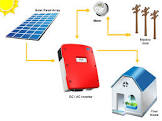
You must use the correct connection flow:
1️⃣ Solar Panels → Charge Controller → Battery Bank
This handles your DC charging.
2️⃣ Batteries → Inverter
The inverter converts DC to AC for your home.
3️⃣ NEPA (and Generator) → Bypass/AC Input → Inverter
The inverter should have a dedicated AC input (usually called “Utility Input” or “AC Input”).
4️⃣ Inverter Output → Home Distribution Board (DB)
This ensures:
- NEPA does NOT mix with your solar DC circuit
- Current never back-feeds into NEPA
- Batteries charge safely
- Your load switches automatically
✔ The Correct Wiring Structure (Most Recommended)
Below is the safest, industry-standard connection:
🔌 Step 1: Connect NEPA to “AC Input” of the Inverter
This allows the inverter to:
- Charge your batteries using NEPA
- Automatically switch your home to NEPA when battery is low
- Protect the inverter from backward current
Never connect NEPA directly to the inverter output!
🔌 Step 2: Connect Inverter “AC Output” to the House Load
This is what powers your house.
Only the output of the inverter should power your sockets, bulbs, freezer, or TV.
Do NOT connect NEPA and inverter output into the same DB line without separation.
🔌 Step 3: Use a Changeover (Automatic or Manual)
A changeover prevents NEPA from mixing with inverter output.
Recommended options:
- Automatic Changeover (ATS) → Best for hybrid systems
- Manual Changeover Switch
- Hybrid inverter with built-in bypass
This ensures safety for the inverter and your appliances.
🔌 Step 4: Install Surge and Overload Protection
NEPA can bring high voltage spikes that can burn inverters.
Install:
- Surge protector device (SPD)
- MCB (Miniature Circuit Breakers)
- RCD / RCCB
- Earthing (very important)
This protects both NEPA and inverter lines.
🔥 Common WRONG Methods That Damage Inverters
Avoid these dangerous practices:
❌ Connecting NEPA directly to inverter output
This causes instant damage.
❌ Connecting NEPA power to battery terminals
Deadly. You will burn the charge controller and inverter.
❌ Mixing NEPA and inverter output in the same DB
This causes backfeed into NEPA and burns the inverter capacitors.
❌ Not using changeover or ATS
This allows NEPA power to fight and clash with inverter output.
⚙️ How the System Should Function
A correct hybrid setup should:
✔ Charge batteries with solar
✔ Charge batteries with NEPA only when needed
✔ Automatically switch between solar, battery, and NEPA
✔ Protect your inverter from voltage surges
✔ Prevent back-feeding into the grid
If your inverter is a hybrid type (e.g., Must, Growatt, Mecer, Sukam, Luminous), follow the manual for the correct AC Input wiring.
💡 Extra Tips to Keep Your Inverter Safe
- Use thick AC cables (2.5mm–6mm depending on load).
- Ensure your battery inverter settings match lithium or AGM specs.
- Keep inverter in a cool, ventilated place.
- Do not run heavy loads like AC or freezers on small inverters.
- Install correct earthing for all appliances and inverter body.
✅ Conclusion
Connecting solar with NEPA is 100% safe—if done correctly.
All you need is:
- A proper AC input connection
- A dedicated inverter output
- A changeover system
- Good surge protection
- Correct wiring pattern
Follow the steps in this guide and your inverter will stay protected, efficient, and long-lasting.