How High Temperature Reduces Solar Panel Efficiency in the Dry Season
When most people think about solar energy, they assume more heat equals more power. After all, the sun is hotter during the dry season—so shouldn’t solar panels perform better?
Unfortunately, the opposite is true.
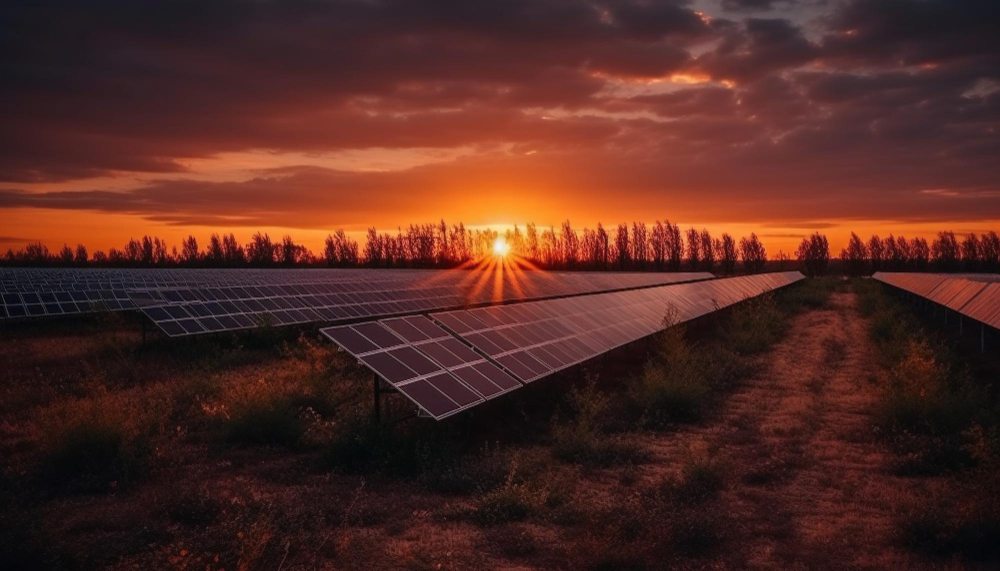
Solar panels love sunlight, but they hate excessive heat. And in hot climates like Nigeria, Ghana, Kenya, South Africa, and other parts of Africa, high temperatures can significantly reduce solar performance, especially during the dry season.
In this guide, you’ll learn:
- Why solar panels lose efficiency when temperatures rise
- The science behind “temperature coefficient”
- How heat affects output, voltage, battery charging, and inverter performance
- Real causes of dry-season drops in power
- Practical solutions to boost efficiency during hot weather
Let’s dive in.
☀️ Why Heat Reduces Solar Panel Efficiency
Solar panels convert light, not heat, into electricity.
During the dry season, sunlight is stronger, which is good.
But temperatures also rise dramatically, which is bad.
When solar panels get too hot, two things happen:
1️⃣ Voltage Drops
The most important reason solar efficiency falls is because high temperature reduces the panel’s voltage (Vmp).
- Solar panels are rated at 25°C
- But in real life, panel surfaces can hit 60°C – 85°C during the dry season.
As temperature rises, voltage falls, reducing total power output.
2️⃣ Power Output Reduces (P = V × I)
Even if the sunlight is strong, the drop in voltage causes:
- Lower charging power
- Lower battery charging efficiency
- Lower inverter output
So you get less power when the weather is hottest.
🔥 The Science: Understanding Temperature Coefficient
Every solar panel has a temperature coefficient, usually written as:
- −0.30%/°C
- −0.40%/°C
- −0.50%/°C
This tells you how much power the panel loses for each degree above 25°C.
Example Calculation
If temperature coefficient = –0.40% per °C
On a hot day, panel temperature = 65°C
Temperature difference:
65°C – 25°C = 40°C
Efficiency loss:
40 × 0.40% = 16% total loss
This means a 550W panel becomes only about 462W in the dry season.
☀️ Other Dry-Season Factors That Reduce Solar Output
Heat is not the only issue. The dry season brings other performance killers:
1. Dust and Harmattan Debris
Dust covers the panel surface and blocks sunlight.
Even a thin layer can reduce output by 10–25%.
2. Hot Roofs Increase Panel Temperature
Mounting panels directly on a metal roof increases heat absorption.
Hot roof = hot panel = reduced efficiency.
3. Poor Airflow Under the Panels
If panels have no ventilation gap, heat builds up and efficiency drops even faster.
⚡ How High Temperature Affects the Battery & Inverter
1. Lower Solar Voltage Affects MPPT Charging
MPPT charge controllers work best when:
- Panel voltage is sufficiently higher than battery voltage.
When heat reduces voltage, MPPT efficiency drops.
2. Batteries Take Longer to Charge
Low panel voltage = slow charging speed.
Lithium batteries may not reach full charge during hot afternoons.
3. Inverter May Misbehave
Low input voltage can lead to:
- Inverter under-voltage warning
- Reduced power delivery
- Early shut-off
- AC load fluctuations
📉 Why People Notice Poor Solar Output Most in the Dry Season
During the dry season:
- Sun is hot but not always bright
- Heat reduces panel efficiency
- Dust reduces sunlight absorption
- Batteries age faster
- Households use more fans and AC due to heat
All these create a perfect storm for poor solar performance.
🛠 How to Improve Solar Efficiency During the Dry Season
Here are the best fixes:
1. Clean Your Solar Panels Weekly
Dust is a major enemy. Clean panels with:
- Soft cloth
- Mild soap
- Water
Avoid hard water that leaves stains.
2. Improve Ventilation Beneath Panels
Leave 4–6 inches of air gap between roof and panel.
This reduces panel surface temperature by up to 10°C.
3. Install Heat-Resistant Panels (Low Temperature Coefficient)
Choose panels with:
- Temperature coefficient ≤ −0.30%/°C
Monocrystalline N-type panels often perform better in heat.
4. Avoid Roof Surfaces That Overheat
If possible:
- Avoid mounting on metal sheets
- Use raised racking systems
- Ensure airflow from all sides
5. Use MPPT Charge Controllers (not PWM)
MPPT handles voltage fluctuations better and boosts charging efficiency by 15–30% in hot weather.
6. Oversize the Solar Array
Compensate for heat losses by adding:
20–30% more solar panels.
This ensures your system still performs in extreme conditions.
7. Keep Batteries in a Cool, Ventilated Area
High temperatures affect lithium battery lifespan and performance.
Ideal battery temperature: 10–30°C
⚡ Final Thoughts
Solar panels don’t fail during the dry season—they just struggle with heat.
Understanding how temperature affects performance helps you:
- Select better panels
- Install more wisely
- Maintain your system properly
- Avoid frustration during hot months
By following the tips above, you can minimize heat losses and maximize solar efficiency even in the hottest seasons.