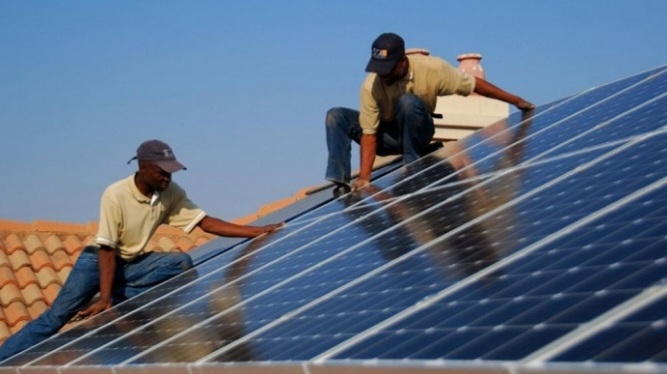
5 Solar Installation Habits That Are Silently Killing Your Solar Efficiency
If you’ve been installing solar systems for a while, you know that efficiency isn’t just about panel ratings or inverter specs — it’s about how the system is installed. Over the years, I’ve seen perfectly good panels underperform simply because of a few small, avoidable mistakes during installation. These are habits many of us develop in the field — sometimes out of convenience, sometimes from old habits — but they silently rob your clients (and your reputation) of performance.
In this post, I’ll walk you through five common solar installation habits that reduce efficiency, how to fix them, and how smarter tools like Globisun can help you get every watt your system deserves.
Let’s get right into it.
1. Poor Tilt and Orientation Adjustments
One of the biggest silent killers of solar efficiency is improper tilt and orientation. Many installers still “eyeball” the panel angle, assuming it’s close enough — but even a few degrees off can lead to significant losses over the system’s lifetime.
In tropical regions, a slight deviation from the optimal azimuth can reduce power output by 5–10%, especially during peak sun hours.
Example: I once revisited an installation where the panels were tilted just 5° off the correct angle. After recalibrating with a digital inclinometer, the client noticed a noticeable jump in daily yield.
Pro Tip: Use tools like solar pathfinders or mobile apps like Globisun for accurate solar sizing and orientation optimization. Don’t rely on estimates — precision here pays off.

2. Overusing Long Cable Runs
Long DC cable runs may seem harmless, but they introduce voltage drops that quietly eat into your energy output. Every extra meter of cable adds resistance, reducing system efficiency.
Example: A 2% voltage drop on a 5kW system might not sound like much — until you realize that’s around 100 watts of continuous loss under load. Multiply that over years, and you’re looking at wasted revenue.
Pro Tip: Keep cable lengths as short as practical, use the correct gauge, and calculate voltage drop before installation. You can easily check this in your pre-design phase using Globisun’s built-in sizing calculator.

3. Ignoring Shading at Different Times of Day
Shading is the silent efficiency assassin. I’ve seen systems designed in the morning with perfect sunlight, only to be shaded by a tree or a neighboring building by afternoon. Even partial shading on one panel can drag down the entire string’s performance.
Example: A single shaded cell can reduce power output for the whole array by up to 25% — especially in series-connected panels.
Pro Tip: Always conduct a full-day shading analysis before installation. Tools like Globisun let you simulate shading patterns and choose the best panel layout for maximum yield.

4. Skipping Proper Panel Cleaning and Maintenance Guidance
Many installers do great work during setup but forget to educate clients about maintenance. Dust, bird droppings, and pollution can reduce efficiency by up to 20% over time.
Example: I revisited a site in Lagos where a year’s worth of dust had reduced generation by almost a quarter. A simple cleaning restored it instantly.
Pro Tip: Include a maintenance plan in your project handover. Recommend bi-monthly cleaning and inspection schedules — and offer maintenance as an add-on service for recurring income.

5. Poor Connection and Earthing Practices
Loose MC4 connectors, unprotected joints, and inadequate earthing don’t just pose safety risks — they also increase resistance and energy loss. I’ve seen systems where a single loose connector dropped the current flow by half without anyone realizing it.
Example: One project had consistent underperformance until we re-crimped and replaced all connectors. The efficiency jumped from 70% to 96%.
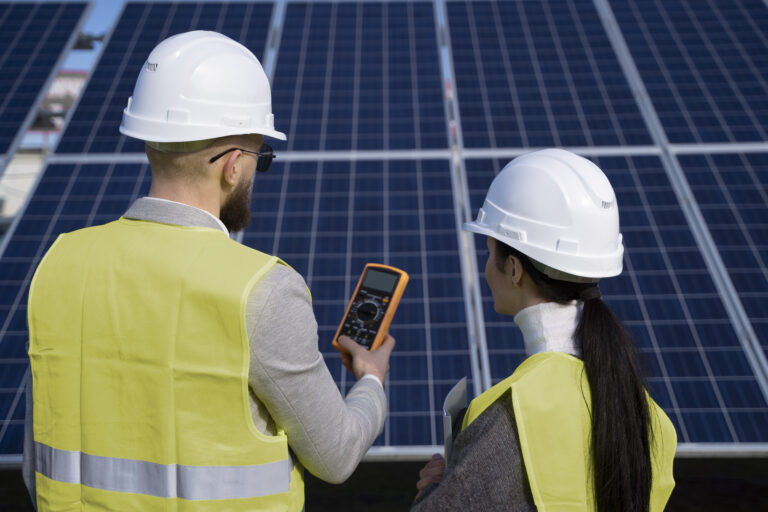
Pro Tip: Double-check every connector with a multimeter before commissioning. Use high-quality MC4 connectors and ensure proper earthing on every frame and inverter.
Conclusion
Small mistakes can have massive long-term impacts on system performance. As solar professionals, our reputation depends on the efficiency and reliability of every system we install. By addressing these five bad habits — from optimizing tilt to tightening every connection — we can deliver systems that perform at their peak for years.
And remember, smarter tools make smarter installers. Apps like Globisun help you handle everything from solar sizing to shading simulation and performance estimation, saving you time and boosting accuracy.
So next time you’re in the field, slow down, double-check your angles, connections, and cable runs — because true efficiency starts with precision.